The Future of Neuro-Rehabilitation: How AI & Robotics are Changing Recovery
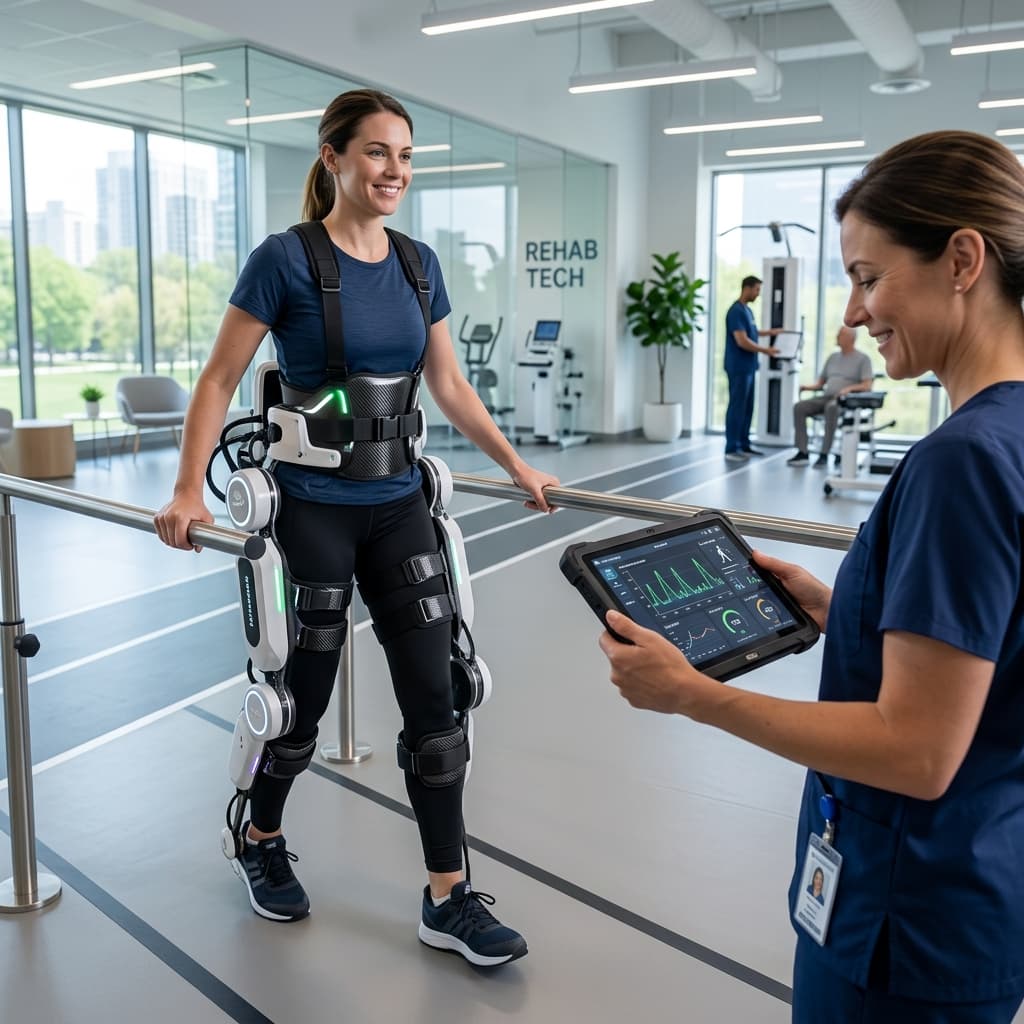
A New Era of Precision in Physiotherapy
The field of neuro-rehabilitation is currently undergoing a massive transformation. For decades, physiotherapy relied almost entirely on manual assessments and the naked eye. Today, the integration of Artificial Intelligence (AI) and advanced robotics is moving the industry away from "one-size-fits-all" protocols toward highly personalized, data-driven medicine.
AI-Powered Movement Analysis
One of the biggest trends in 2026 is the use of AI to analyze patient movement patterns. Advanced camera systems and wearable sensors can now detect micro-compensations in a patient's gait or posture up to 85% faster than traditional observational methods. This allows physiotherapists to create highly calibrated exercise progressions that target the exact neural pathways needing stimulation, significantly enhancing the brain's ability to reorganize itself (neuroplasticity).
Robotics & High-Intensity Training
In conditions like stroke, spinal cord injury, or Parkinson's disease, high-intensity, task-specific repetition is crucial for recovery. This is where robotics shine. Robotic gait training devices and exoskeletons allow patients to achieve the high volume of repetitions necessary for motor relearning—safely supporting their body weight while guiding their limbs through physiologically correct movement patterns.
What This Means for Patients
As these technologies become more integrated into top-tier clinics, patients can expect faster recovery times, more engaging therapy sessions, and objectively measurable progress. At Neurofit Wellness & Physiotherapy Centre, we closely monitor these industry breakthroughs to continuously elevate the standard of care we provide.